
Stop Wasting Time on Dry AP Policy Handbooks: Try These 7 Training Video Hacks

Let’s be honest: Your 50-page Asset Protection (AP) policy handbook is currently serving as a very expensive coaster in a dingy breakroom.
You spent months drafting it. Legal vetted every comma. It’s a masterpiece of compliance. And your frontline associates? They haven’t made it past the Table of Contents.
In the high-stakes world of retail and multi-location operations, "compliance theater": the act of handing someone a manual and hoping they absorb it through osmosis: is a recipe for shrinking margins and safety risks. Your teams are distracted, turnover is high, and the lure of a smartphone in their pocket is way stronger than the lure of a three-ring binder.
If you want your policies followed, stop writing books and start making movies. At Blue Plate Production, we specialize in turning dry, legalistic jargon into short-form training videos that actually stick.
Here are 7 training video hacks to help you ditch the handbook and drive real behavior on the floor.
1. Kill the Corporate Intro
Most corporate videos start with two minutes of a CEO talking in front of a white wall about "our commitment to excellence." Cut it.
Your frontline staff has a three-second window of attention before they check their notifications. If your video doesn't provide value in the first five seconds, you’ve lost them. Skip the logos, skip the soaring orchestral music, and skip the preamble.
Just say it: "Today we’re showing you exactly how to handle a push-out at the front door without getting hurt."
Start with the problem. End with the solution. Everything else is fat that needs to be trimmed.
2. Use Real-Store Scenarios (Not a Studio)
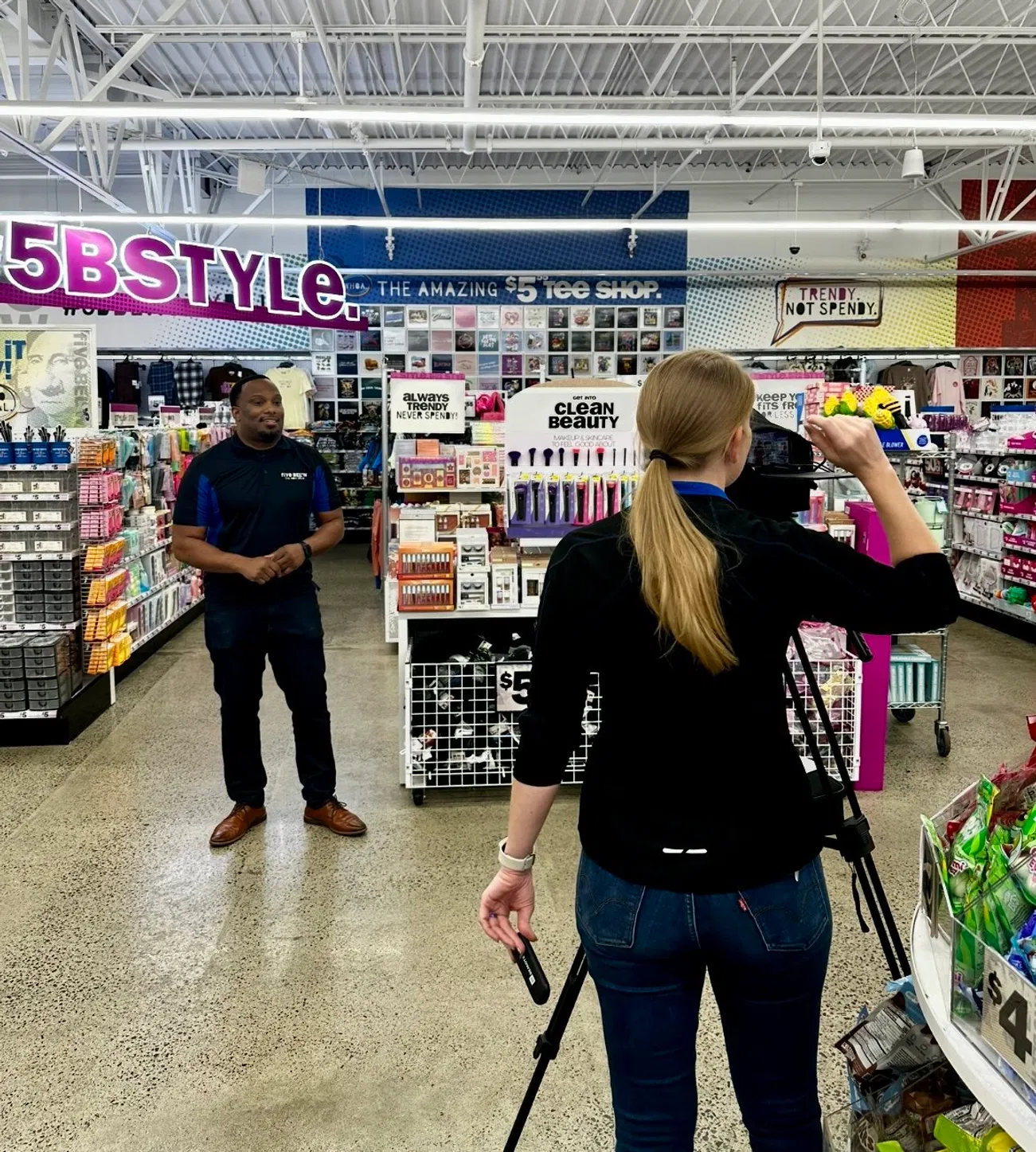
Associates can smell "fake" from a mile away. If your training video looks like it was filmed in a Hollywood soundstage with actors who have never held a pricing gun, your team will tune out.
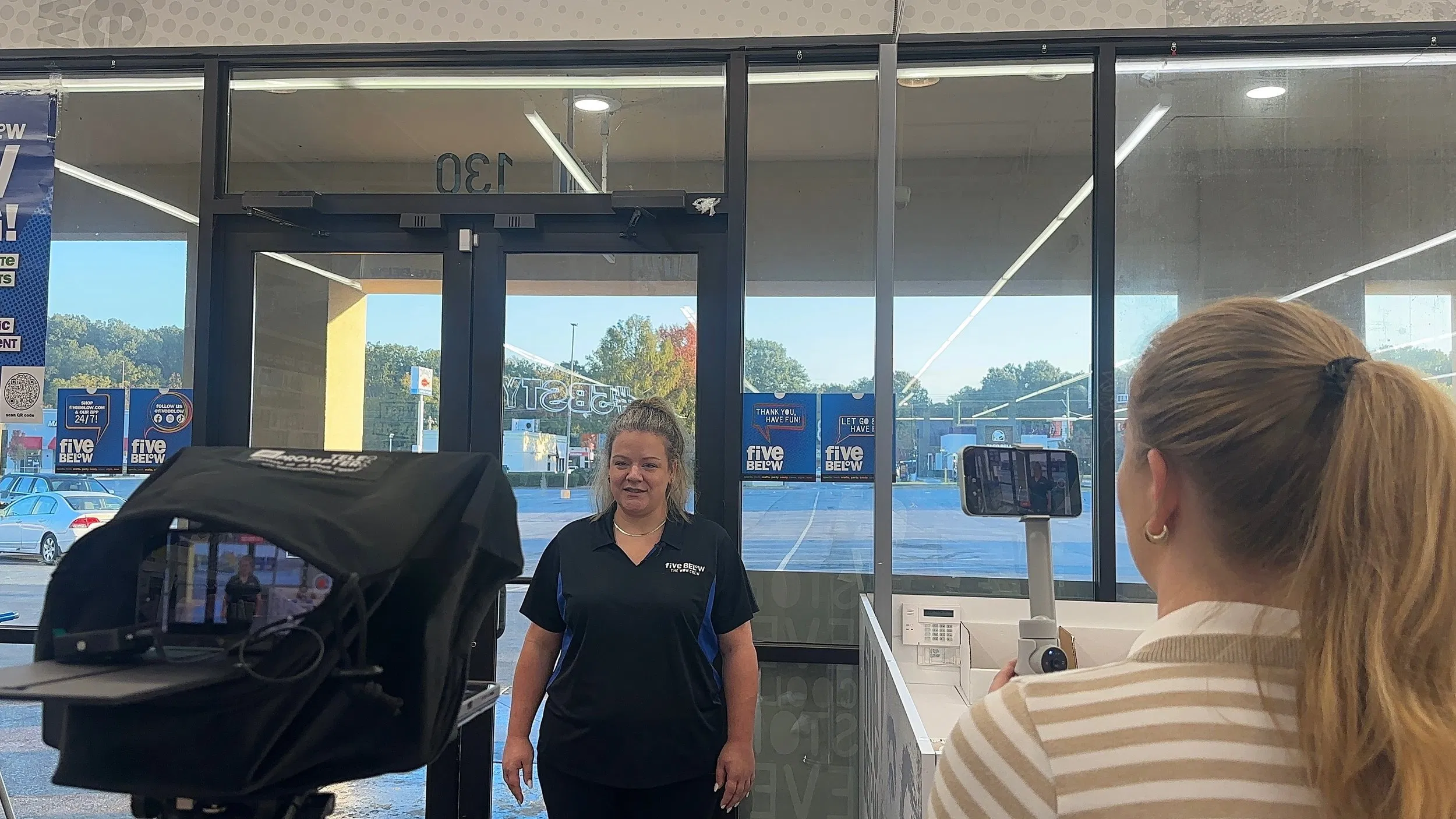
Film in the environment where the work actually happens. Use the actual aisles, the actual POS systems, and the actual "behind-the-counter" clutter they see every day. When an employee sees their own workspace on screen, the training feels relevant. It’s no longer a "corporate requirement"; it’s a tool for their daily reality.
3. The "Wrong Way / Right Way" Contrast
Humans are hardwired to notice mistakes. Instead of just telling them what to do, show them what not to do first.
Show a scenario where an associate leaves a high-value electronics case unlocked to help another customer. Show the "bad" outcome (the loss). Then, immediately show the "Right Way" (locking the case first).
This creates a mental "hook." When that associate is on the floor and feels the urge to cut corners, they’ll remember the visual of the "Wrong Way" and the consequences that followed. It’s much more effective than a bullet point in a handbook that says, "Policy 4.2: Ensure all high-shrink displays are secured at all times."
4. Focus on the "Why" (Safety and Profit)
Frontline employees don't care about "compliance." They care about their safety and their paycheck.
If you want them to follow an AP policy, you have to tell them how it benefits them.
- Safety: "We follow this bag-check policy so everyone leaves the building safely at night."
- Profit: "When we lose inventory to theft, there’s less money for hours, bonuses, and new equipment."
Connect the dots between the policy and their daily life. If they understand the "why," they’ll execute the "how" without you looking over their shoulder. Does your AP culture really matter? Absolutely, but only if they understand their stake in it.
5. Keep it Under 2 Minutes
In the world of microlearning, brevity is king. If your video is ten minutes long, it’s not a training tool; it’s a nap break.
Break your complex policies down into "single-serving" videos.
- Video 1: How to spot a short-change artist. (90 seconds)
- Video 2: Proper refund verification. (60 seconds)
- Video 3: External theft de-escalation. (120 seconds)
At Blue Plate, we call this the One-Pager to Video approach. We take one specific policy and boil it down to its most essential, actionable elements. If it takes longer than two minutes to explain, you’re trying to teach too much at once.
6. Ditch the Jargon for "Real Talk"
If your script sounds like it was written by a lawyer for a lawyer, rewrite it.
"The associate shall maintain visual custody of the subject until such time as law enforcement arrives" is boring, clinical, and confusing.
Try: "Keep your eyes on the guy in the red hat, but don't follow him out the door. Just stay back and wait for the police."
Use plain, conversational English. Use humor if it fits your brand. A little bit of personality goes a long way in making a training session feel like a conversation rather than a lecture.

7. One Risk, One Behavior per Video
Don't try to solve "Total Retail Loss" in one video. It’s too big, too abstract, and too overwhelming.
Instead, pick one specific risk (e.g., ticket switching) and one specific behavior to counter it (e.g., checking for mismatched labels at checkout).
Focusing on granular, "micro" outcomes ensures that the associate knows exactly what to do the moment they step back onto the floor. High-impact, behavior-first training is what separates world-class AP teams from the ones just checking a box.
From Manuals to Mastery
The "old way" of training was about covering your corporate back. The "new way" is about changing behavior and protecting your bottom line.
If you're still relying on dry handbooks, you're essentially gambling with your store’s security. Your employees are ready for better communication: they're already watching video on their phones during their breaks. Why not give them something worth watching that also helps them do their jobs better?
Ready to flip the script?
At Blue Plate Production, we’re the experts at simplifying complex policies into digestible, high-energy video content. Whether you need to overhaul your entire onboarding process or just want to turn that dusty one-pager into something engaging, we’ve got you covered.
Contact us today and let’s stop wasting time on handbooks that no one reads.