
7 Mistakes You’re Making with Retail Loss Prevention Training (and How to Fix Them)
Let’s be real: Most retail loss prevention training is "compliance theater."
You know the drill. You gather a group of distracted frontline employees in a dingy breakroom, sit them in front of a monitor, and force them to sit through a 20-minute video that looks like it was filmed in 1998. They nod, they sign the paper, they go back to the floor, and they forget every single thing they just saw.
Meanwhile, your shrink numbers aren't moving. Organized Retail Crime (ORC) is up, internal theft is a constant headache, and your team still doesn’t know how to handle a high-stress confrontation without escalating the risk.
If your loss prevention training isn't changing behavior on the floor, it's not training, it’s a waste of time. At Blue Plate Production, we see the same pitfalls over and over.
Here are the 7 biggest mistakes you’re making with your retail asset protection training and exactly how to fix them.
1. Your Videos are Too Long (By a Mile)
The average attention span for a retail worker today isn't 20 minutes. It's barely two. If you’re asking a cashier to step away from a busy line to watch a "comprehensive" module on exception reporting, they’re going to tune out by the three-minute mark.
The Mistake: Thinking more information equals more learning. The Fix: Cut the fat. Transition to Short-Form Training Videos. Focus on one specific skill or policy per video. Keep it under three minutes. If it takes longer than that, you’re trying to teach too much at once.
2. You’re Speaking "Corporate-ese" Instead of English
If your script sounds like it was written by the legal department to minimize liability, your frontline team will ignore it. Terms like "operational deviations" or "mitigating inventory variance" don't mean anything to a 19-year-old stocker.
The Mistake: Using academic or legal jargon that alienates the audience. The Fix: Just say it. Use plain, conversational English. Instead of "implementing a proactive deterrent strategy," try "here’s how to greet a suspicious customer so they know you’re watching."

3. The "Stock Photo" Syndrome
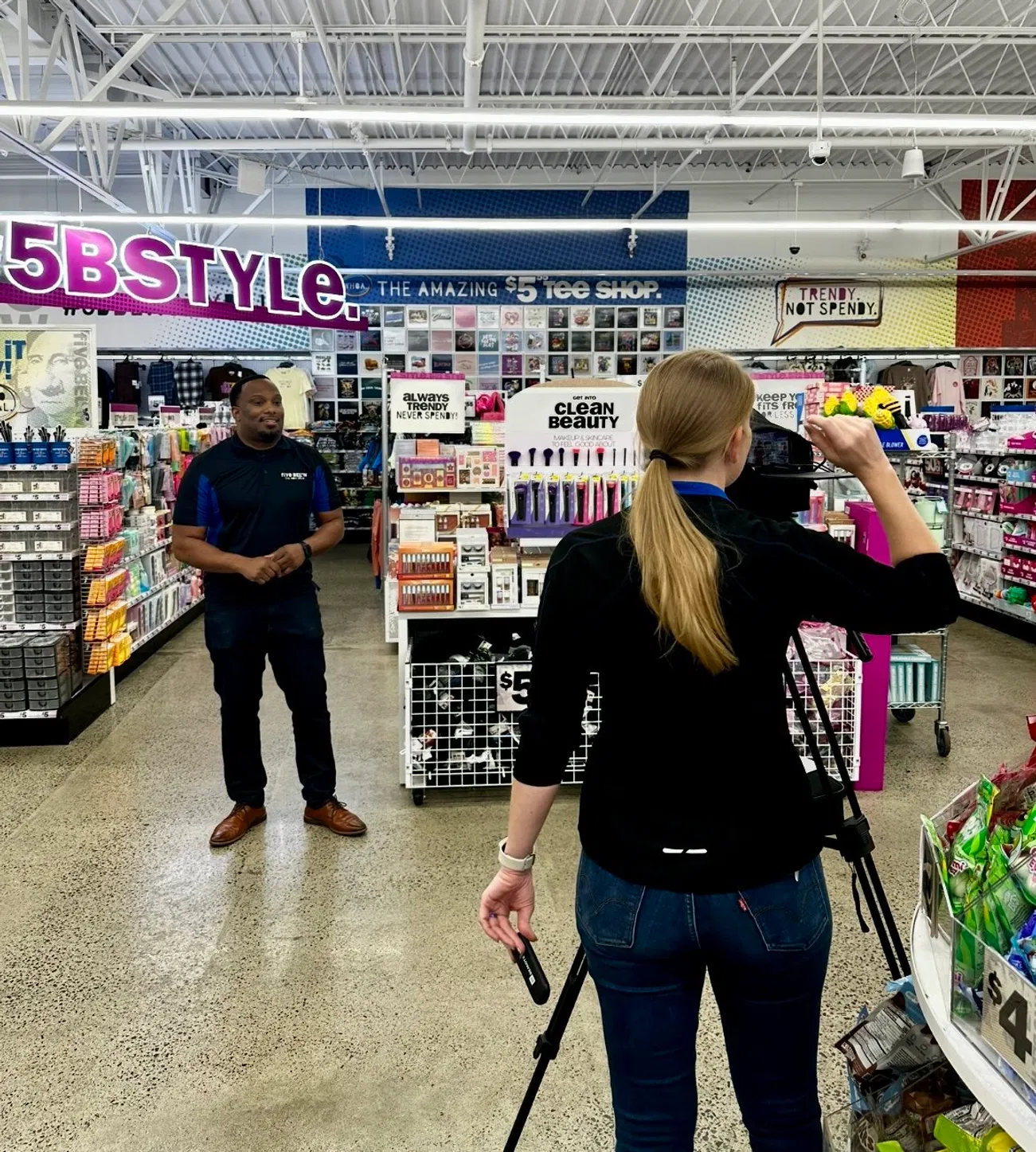
Nothing kills credibility faster than showing your team a training video filmed in a fake, brightly lit studio that looks nothing like their actual store. If the "shoplifter" in your video looks like a B-movie villain and the "manager" is wearing a suit that no one in your company actually wears, the message is lost.
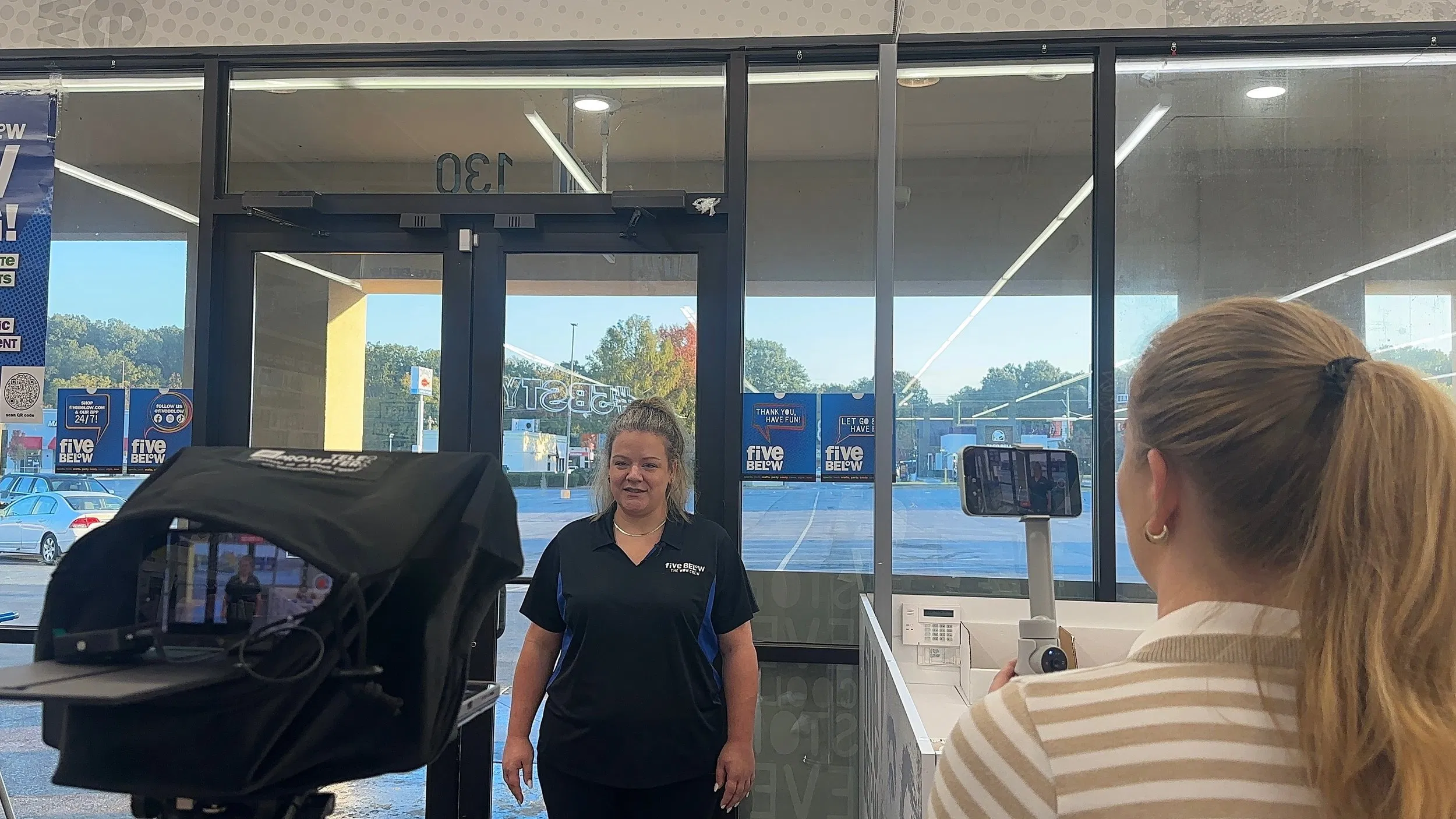
The Mistake: Relying on generic stock footage or unrealistic environments. The Fix: Film in the field. At Blue Plate, we specialize in capturing real-world procedures in actual store aisles. When employees see their own environment, the messy stockrooms, the specific POS systems, the actual aisles, they take the training seriously.
4. You’re Ignoring the "Why"
Training often focuses entirely on the what (the policy) and the how (the procedure). But if you don't explain the why, employees won't care. They need to understand how loss prevention directly affects their safety, their bonuses, and the company's ability to stay in business.
The Mistake: Treating training as a list of rules rather than a behavior-first philosophy. The Fix: Connect the dots. Show how a simple bag check procedure prevents internal theft, which keeps more money in the store for raises and better equipment. Make it personal.
5. Converting One-Pagers into "Slide Shows"
Many organizations "digitize" their training by taking a boring 10-page SOP and turning it into a 50-slide PowerPoint. This is just "one-pager to video" done wrong.
The Mistake: Thinking a voiceover reading a bulleted list is a "video." The Fix: Use the One-Pager to Video model. Take that dry written policy and transform it into a human-centered narrative. Show a scenario where the policy is applied correctly vs. incorrectly. Seeing the consequences of an action is 10x more effective than reading about it.
6. Lack of Scenario-Based Learning
Most retail training videos tell people what to do. They rarely show them how to handle the "gray areas." What happens when a customer gets aggressive during a return? What do you do when you suspect a manager is skimming the till?
The Mistake: Theoretical training without practical, scenario-based application. The Fix: Build "What would you do?" segments into your videos. Use real-life, "it-could-happen-today" situations. This forces the employee to think through the behavior before they’re under the pressure of a real-world incident.
7. Inconsistent Execution Across Locations
You might have a great training program at HQ, but if your 500 locations are all delivering it differently, your asset protection training is failing. Leaving training up to "shadowing" or local managers means bad habits get passed down like family heirlooms.
The Mistake: Inconsistent messaging across multi-location teams. The Fix: Centralize your training with high-quality, standardized video assets. When every single employee, from Maine to California, sees the same clear, professional video, you ensure a "single source of truth." No more "well, my manager told me to do it this way."
The Blue Plate Approach: Clean, Fast, and Human
At Blue Plate Production, we don't do "boring." We don't do "compliance theater."
We focus on the frontline reality. We know your employees are busy, distracted, and tired of being talked down to. That’s why our videos are:
- Short: Get in, get the point across, and get them back to work.
- Human: Real people, real stores, real language.
- Effective: Designed to change behavior, not just check a box.

Stop Checking Boxes. Start Changing Behaviors.
If your current retail loss prevention training feels like a relic of the past, it’s time for an upgrade. Don’t let your training budget go to waste on content that your team is actively ignoring.
Ready to fix your training? Reach out to the Blue Plate team today and let’s turn those dry policies into engaging, behavior-changing videos that actually protect your bottom line.
Summary Checklist for Your Next LP Video:
- Is it under 3 minutes?
- Did we use "real talk" instead of jargon?
- Is it filmed in a real store?
- Does it show a specific scenario?
- Is it mobile-friendly?
If you can't check all five, give us a call. We've got you.